
Optimal Seasons for Land Clearing
Land clearing is a crucial step in preparing a property for development, agriculture, or landscaping. Timing plays a significant role in ensuring efficiency, safety, and cost-effectiveness. Understanding seasonal patterns and environmental conditions can help determine the optimal period for land clearing activities.
Spring offers favorable conditions for land clearing, with moderate temperatures and increased daylight. It allows for quick removal of debris and prepares the land for planting or construction.
Summer can be suitable for land clearing in cooler regions or early summer, but high temperatures and dry conditions may increase fire risk and operational challenges.
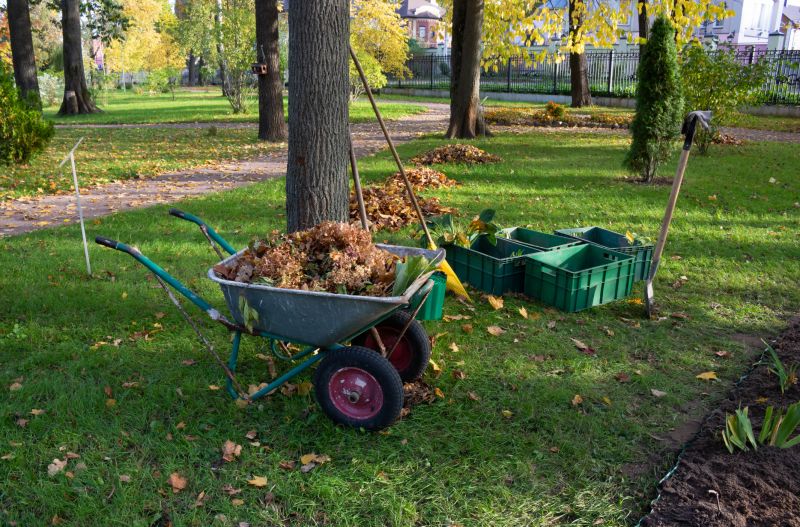
Fall provides cooler weather and less rainfall, making it an ideal time for land clearing before winter sets in. It also allows for better soil stability.
Winter is generally less suitable due to frozen ground and potential snow cover, which can hinder equipment operation and delay progress.
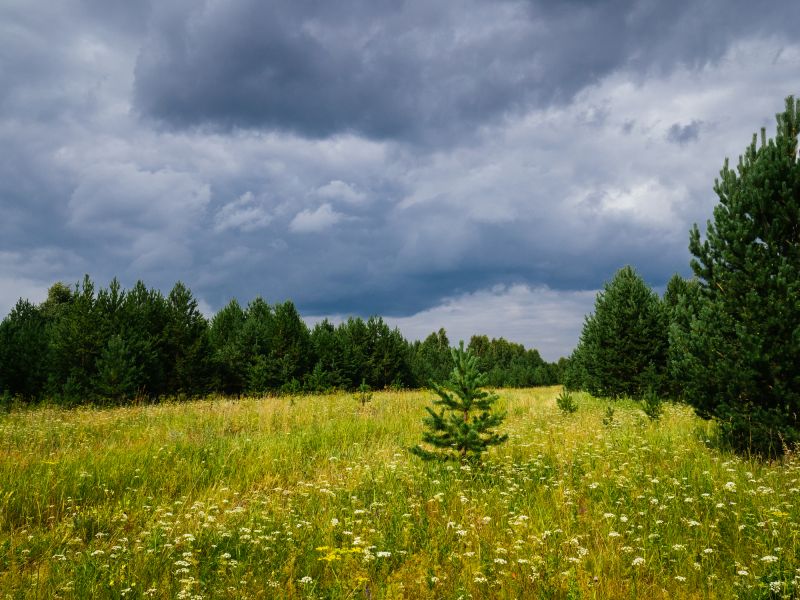
Land clearing in spring prepares the site for upcoming planting or construction projects.
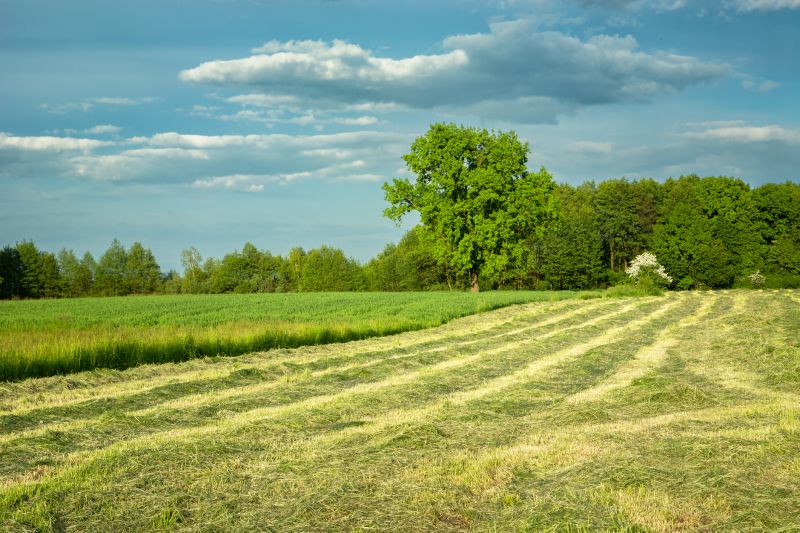
Summer activities often involve clearing in early months to avoid peak heat.
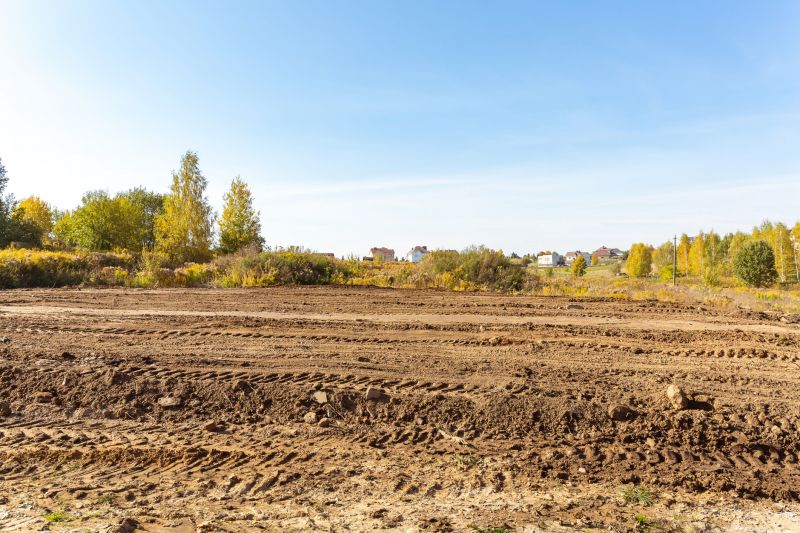
Fall offers ideal conditions for preparing land ahead of winter.
Popular materials for Land Clearings and why they hold up over time.
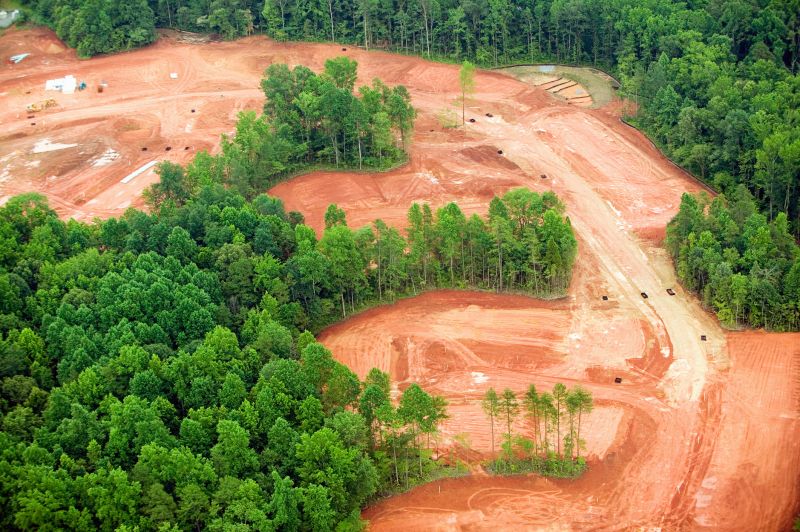
Simple add-ons that improve Land Clearings without blowing the budget.
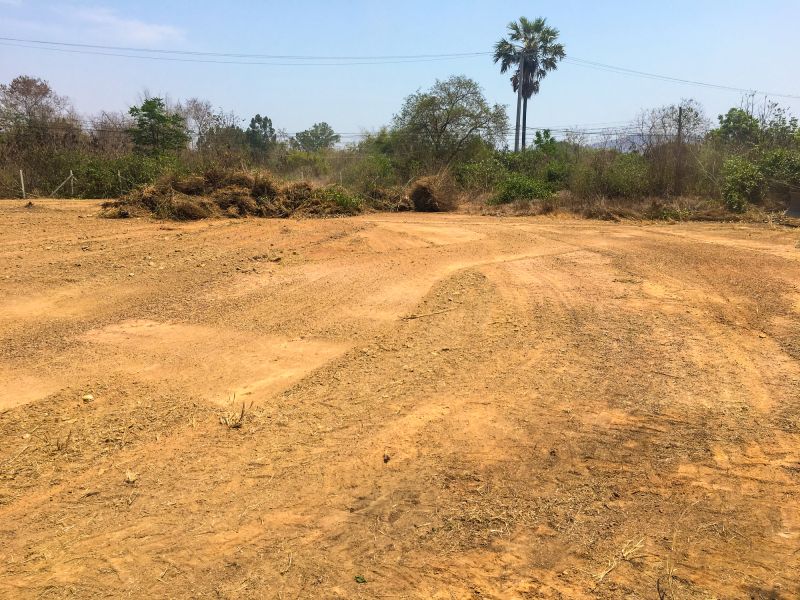
High-end options that actually feel worth it for Land Clearings.
| Season | Optimal Activities |
|---|---|
| Spring | Debris removal, soil preparation |
| Summer | Maintenance, clearing in cooler periods |
| Fall | Final clearing before winter |
| Winter | Limited activity, planning stages |
Land clearing involves removing trees, brush, and other obstructions to create a usable space for construction, farming, or landscaping. Proper timing ensures minimal environmental impact and maximizes resource efficiency. It also reduces the risk of delays caused by weather or ground conditions.
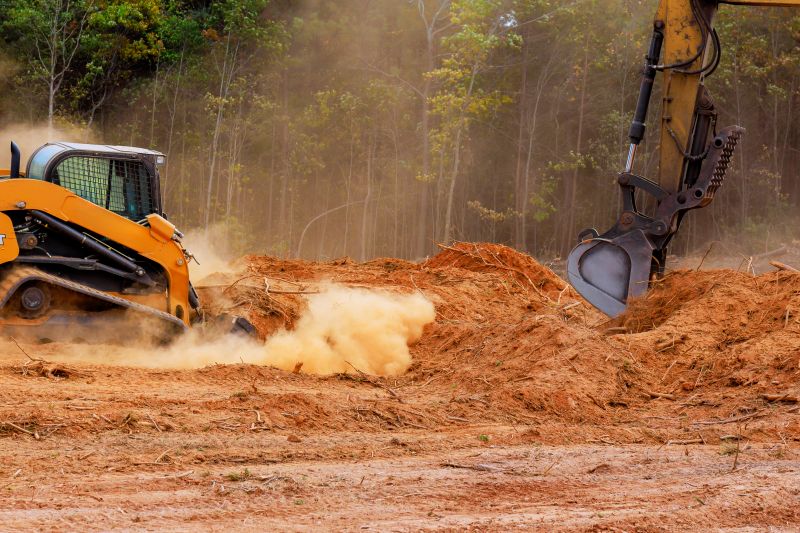
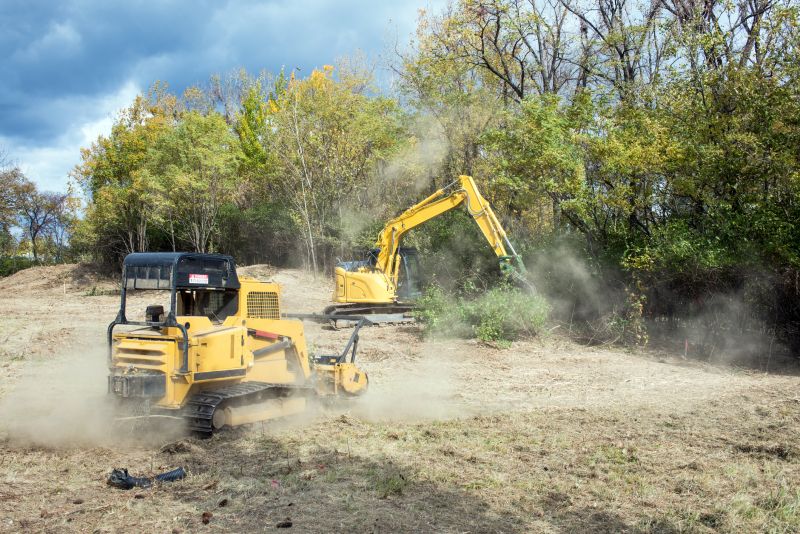
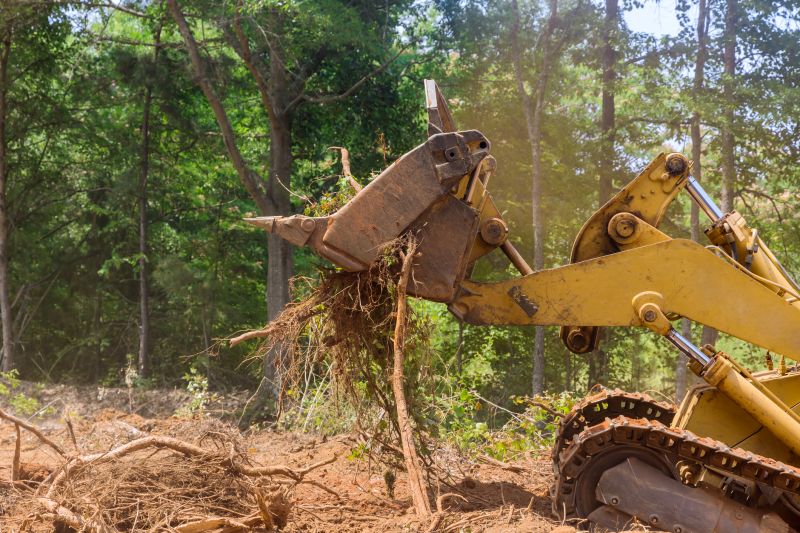
Heavy machinery facilitates efficient removal of vegetation and debris.
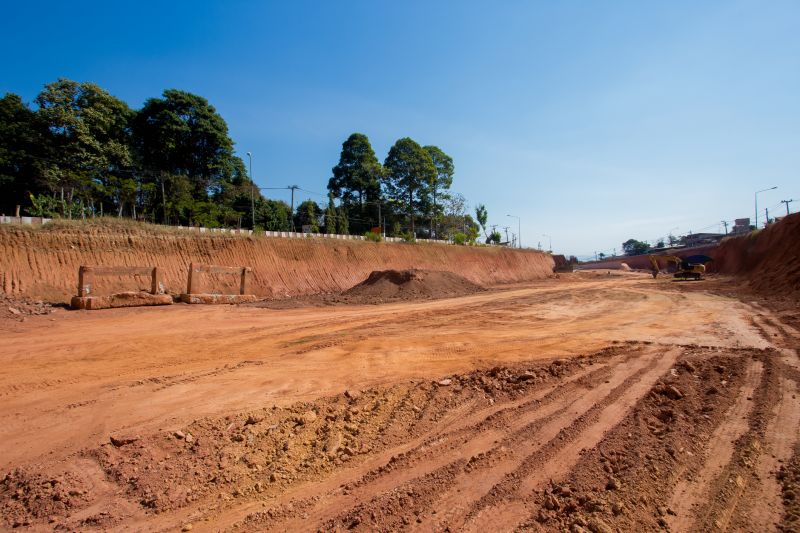
Clearing sites ready for development or planting.
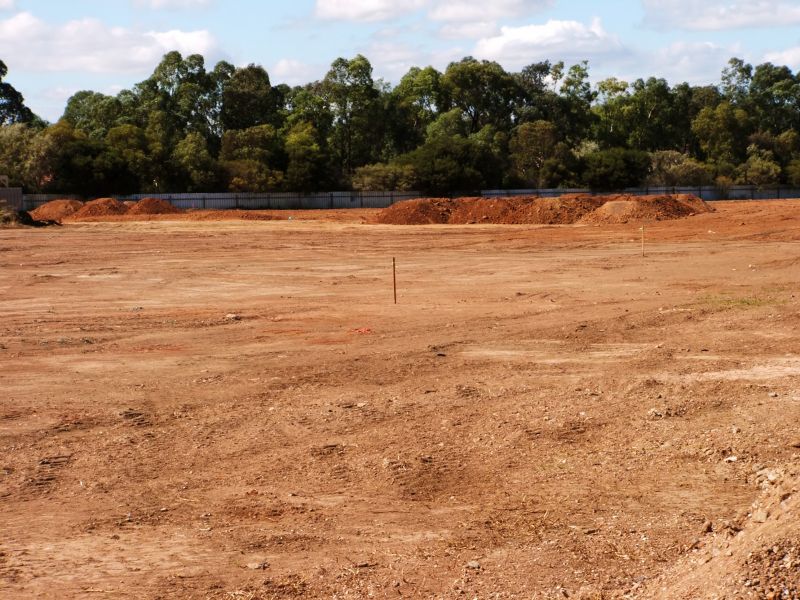
Different seasonal conditions affect clearing methods.
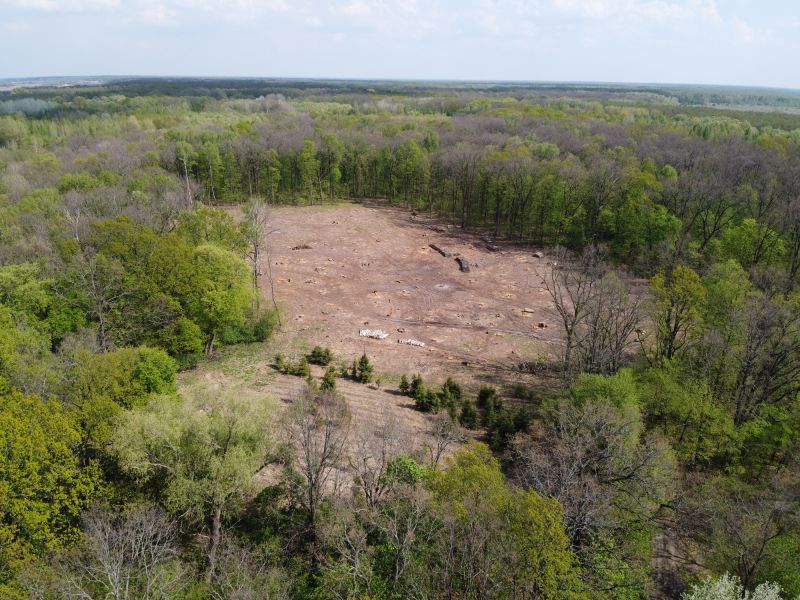
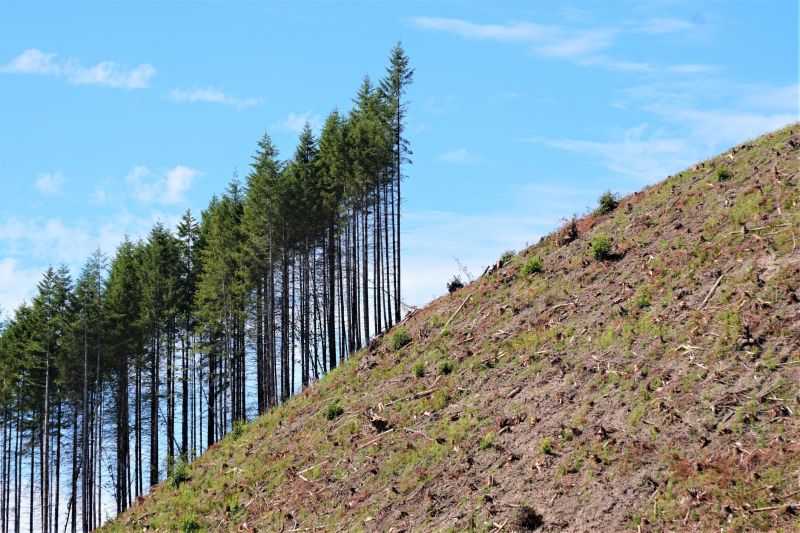
Removing dense vegetation to open up land.
Finishes and colors that play nicely with Land Clearings.

Little measurements that prevent headaches on Land Clearings day.
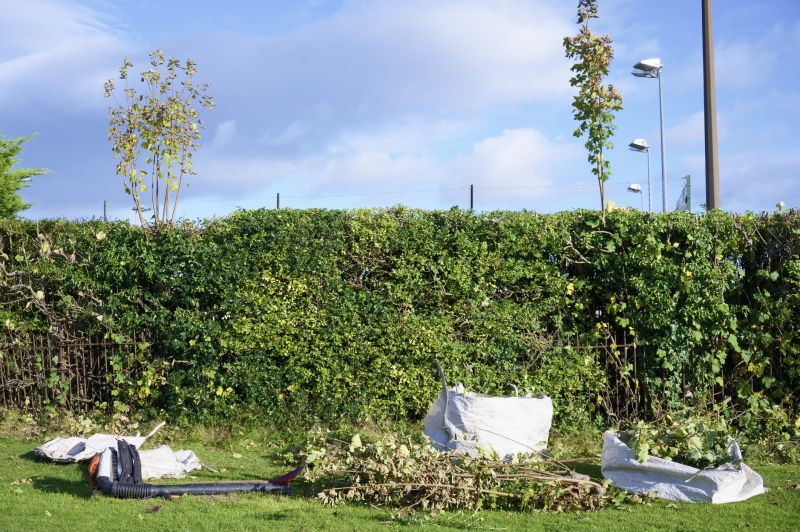
A 60-second routine that keeps Land Clearings looking new.
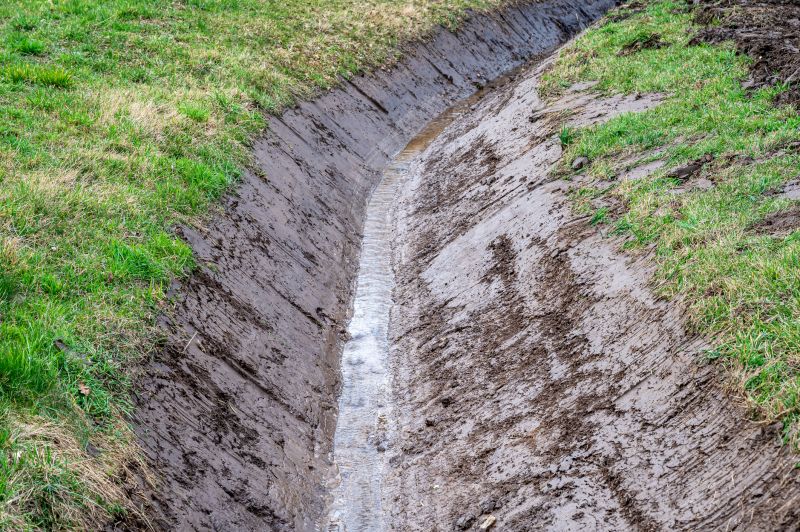
A frequent mistake in Land Clearings and how to dodge it.
Choosing the right time for land clearing depends on local climate, project goals, and specific site conditions. Consulting with professionals can provide tailored advice to optimize project outcomes. Proper planning and timing can lead to smoother operations and better results.
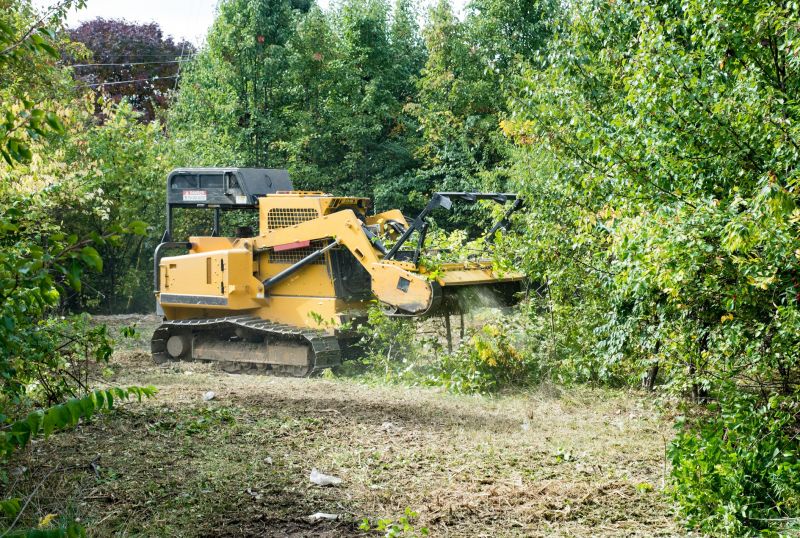
Active land clearing with machinery and crews.
Prepared land ready for development.
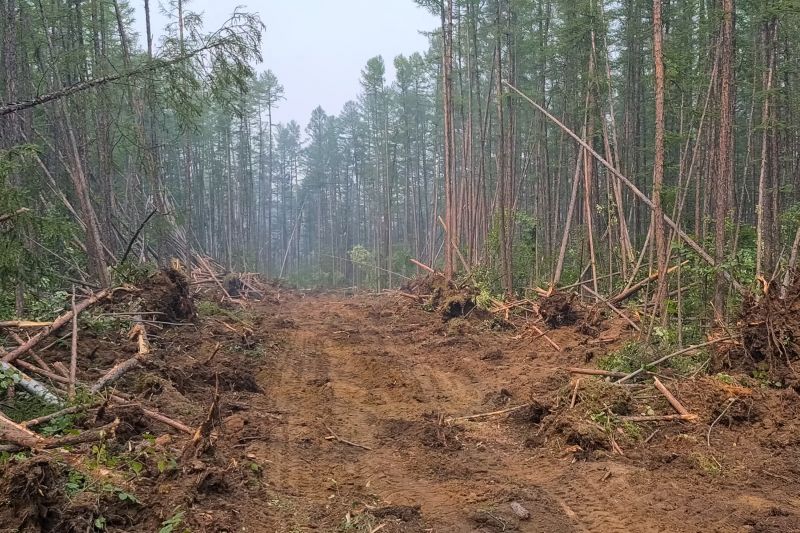
Visual differences in land appearance across seasons.
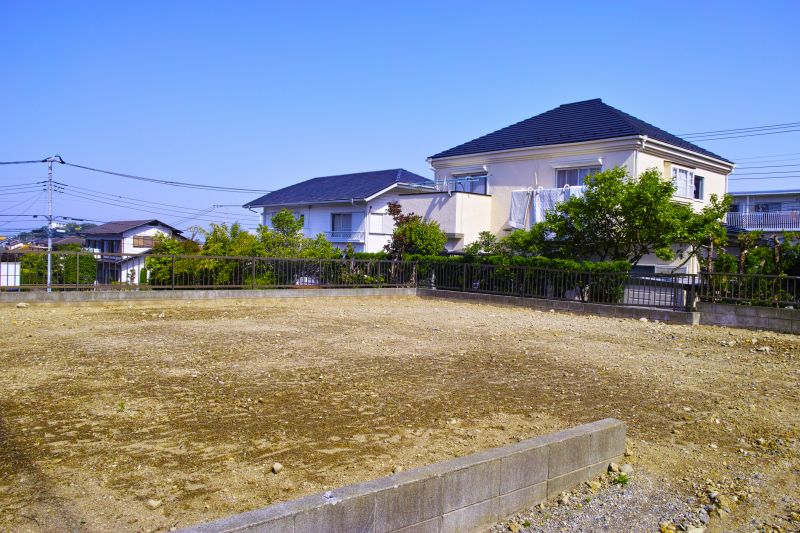
Cleared land awaiting building projects.

Small tweaks to make Land Clearings safer and easier to use.
Lower-waste or water-saving choices for Land Clearings.
The short, realistic tool list for quality Land Clearings.
Rough timing from prep to clean-up for Land Clearings.
Interested in land clearing services? Filling out the contact form can help schedule an assessment and discuss project details to ensure optimal timing and execution tailored to specific site needs.